










-

Cat Catheter
$1.7500 -
Polyglycolic Acid Suture (PGA)
$0.5000
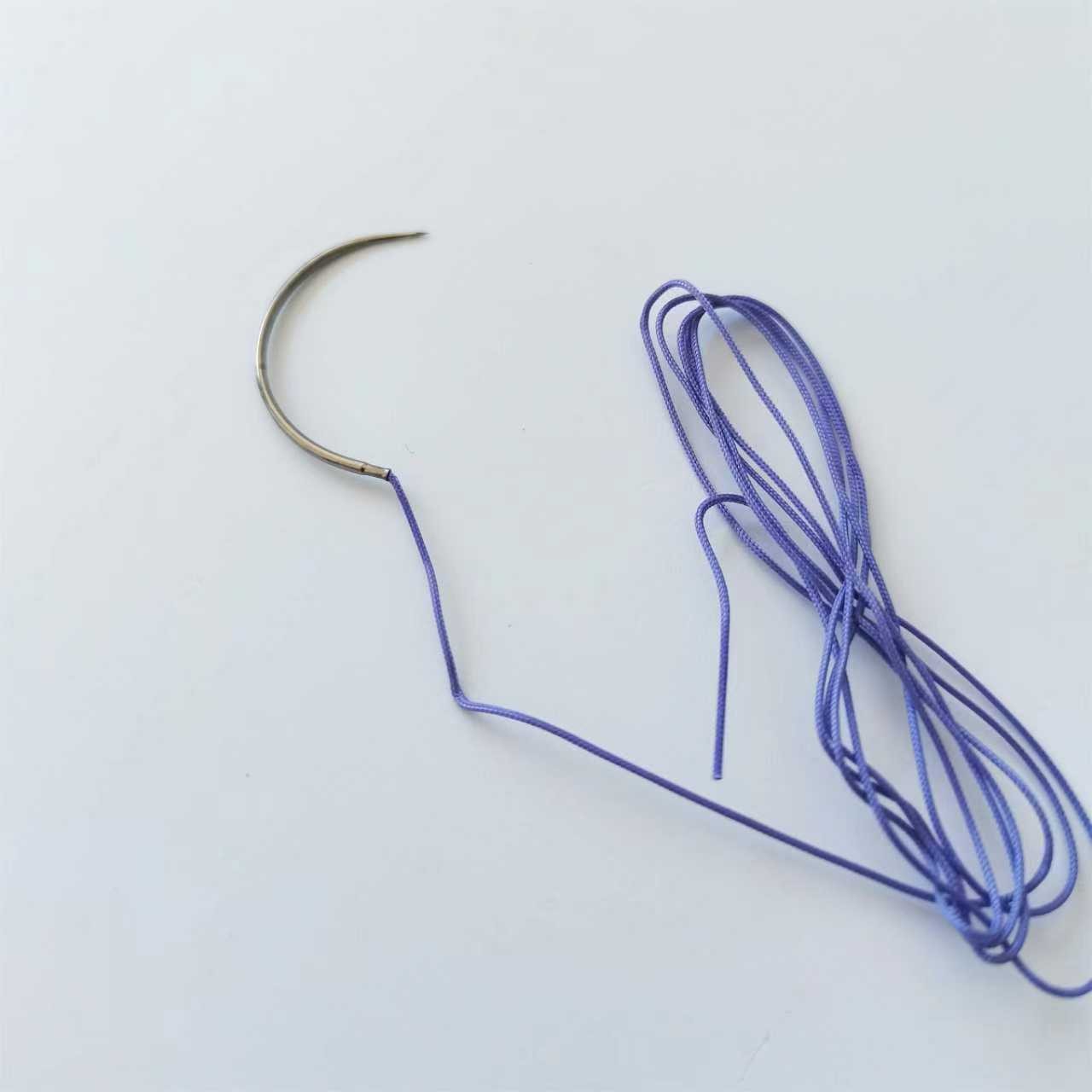
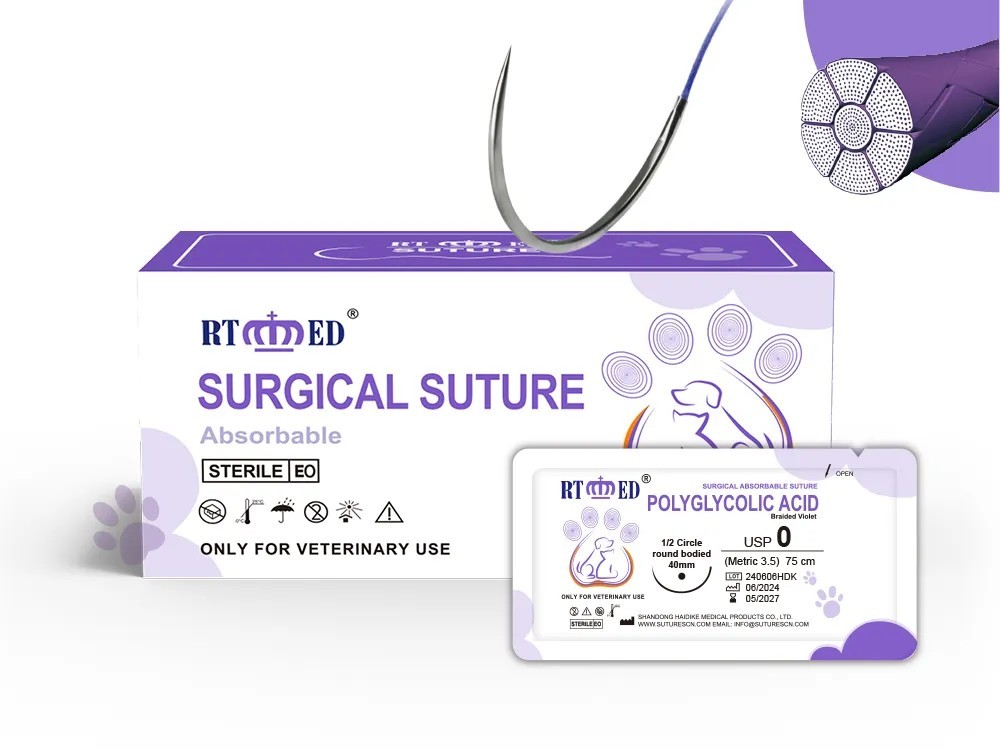
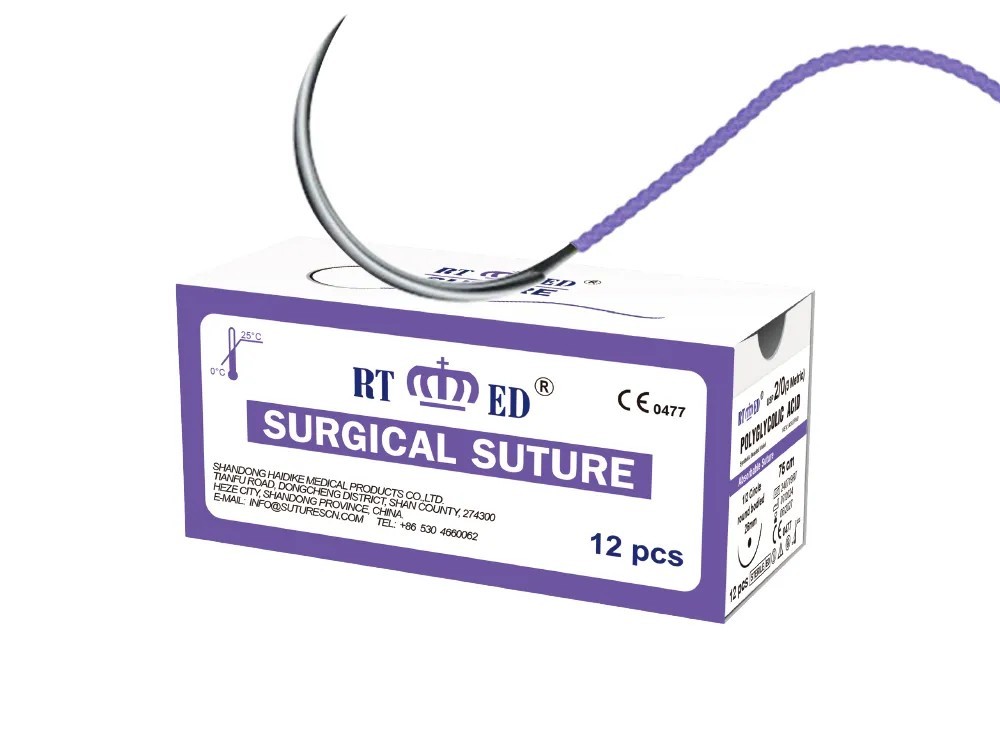
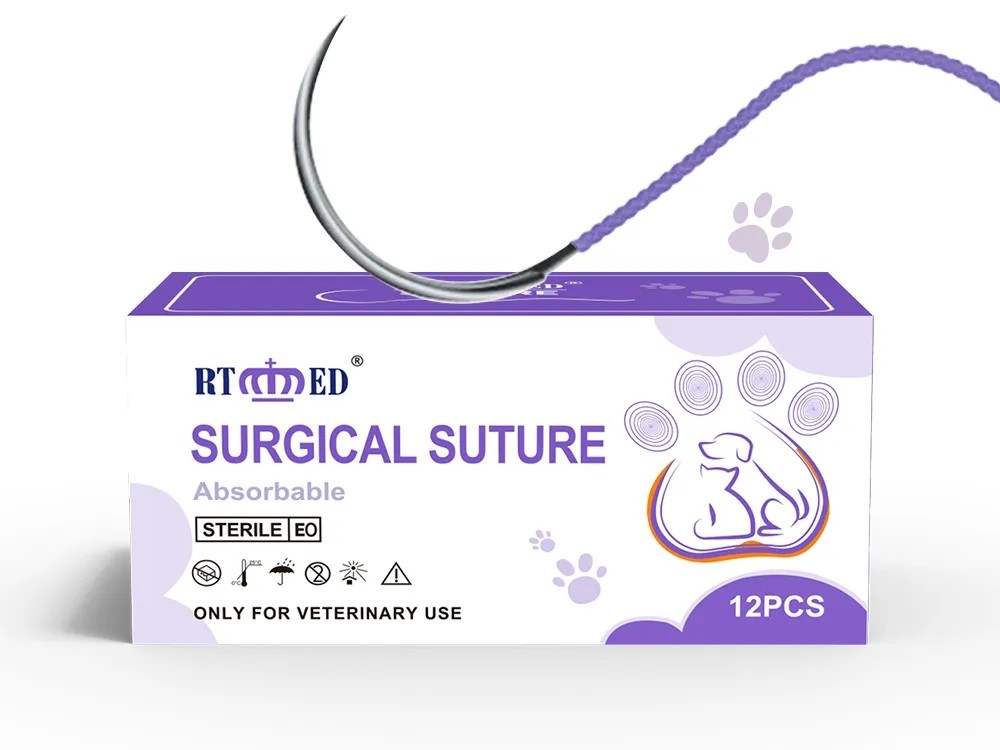
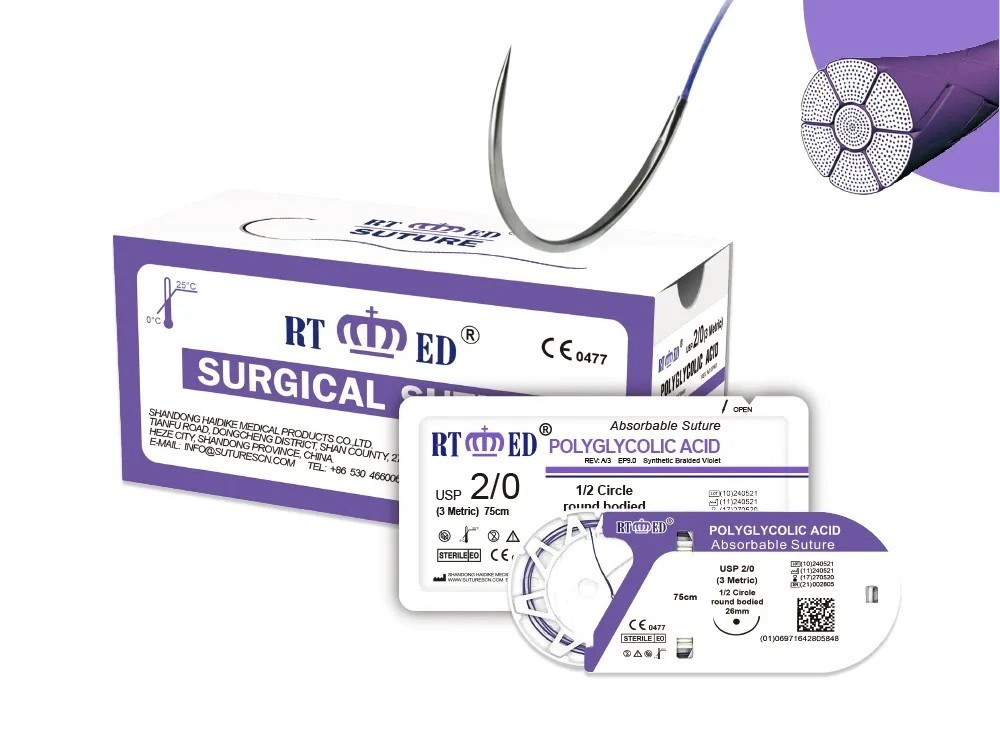
PGA absorbable sutures are braided surgical sutures made from polyglycolic acid fibers, offering minimal tissue reaction and eliminating the need for removal, as they fully absorb within approximately 90 days. Our sutures are coated with polycaprolactone and calcium stearate, ensuring smooth passage through tissue and meeting USP and European Pharmacopoeia standards. The needles are made from high-quality stainless steel with laser-drilled holes and offer excellent sharpness, elasticity, and toughness, providing reliable performance in surgical procedures.
Certification Registration Number:
EU CE Certificate No.: M.2019.106.11727
ISO 13485 Certificate No.: C564964
ISO 14001 Certificate No.: 00222E34558ROS
ISO 45001 Certificate No.: NOA2403088
FSC No.: Lu Heze National Medical Products Administration Medical Devices Export No. 20230080
Properties
Suture size: 3#, 4#, 2#, 1#, 0#, 2-0, 3-0, 4-0, 5-0, 6-0, 7/0, 8/0
Tissue reaction: minimal
Colour: violet/undyed
Sterilization: ethylene oxide
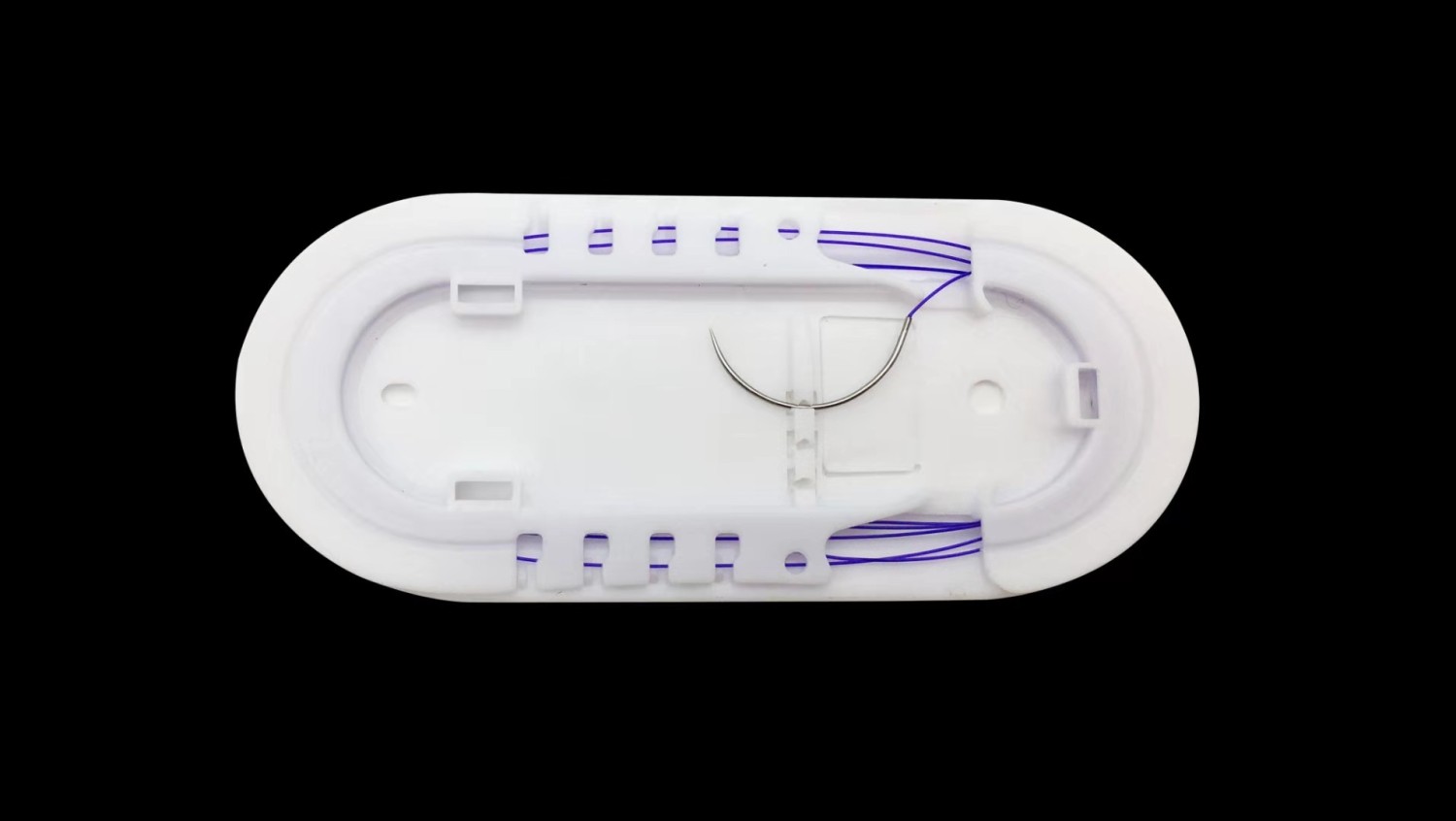
Packaging: individually packed (aluminum foil pouch), 12pcs per box, 36pcs per box
Needle curvature: 1/2 circle, 3/8 circle, 5/8 circle, straight needle
Needle shape: round bodied needle, conventional cutting needle (triangular needle), reverse cutting needle (triangular needle), spatula needle
Suture length: 30cm, 45cm, 60cm, 75cm, 90cm, 100cm, 150cm, 250cm
Structure: braided multifilament
Absorption time: complete absorption by hydrolysis within approximately 90 days
Advantages
Its high initial tensile strength ensures reliable support during the early healing stages.
Provides secure and stable wound closure with the excellent knotting ability
The suture naturally absorbs within 90 days, eliminating the need for removal.
Designed for smooth manipulation and easy handling during procedures
Maintains strength and outstanding holding power throughout the critical wound healing period.
Its smooth surface is coated for easy tissue penetration, minimizing trauma during surgery.
Applications
PGA absorbable sutures are ideal for general surgical procedures and ligatures, particularly in areas such as general surgery, skin closure, gastrointestinal surgery, gynecology, obstetrics, Plastic Surgery, urology, and ophthalmology. However, they are not recommended for use in cardiovascular tissue and neural tissue.
相关产品